
Stability Is a Strategy (Especially Right Now)
In a time that rewards urgency, stability may be the most strategic position we can take.

Lately, it feels like the world expects us to react to something all the time. News moves quickly, social media amplifies every crisis, and the stream of information rarely pauses long enough for anyone to process it. Many people move through their days in a quiet state of vigilance, checking updates and scanning for signals about what might happen next.
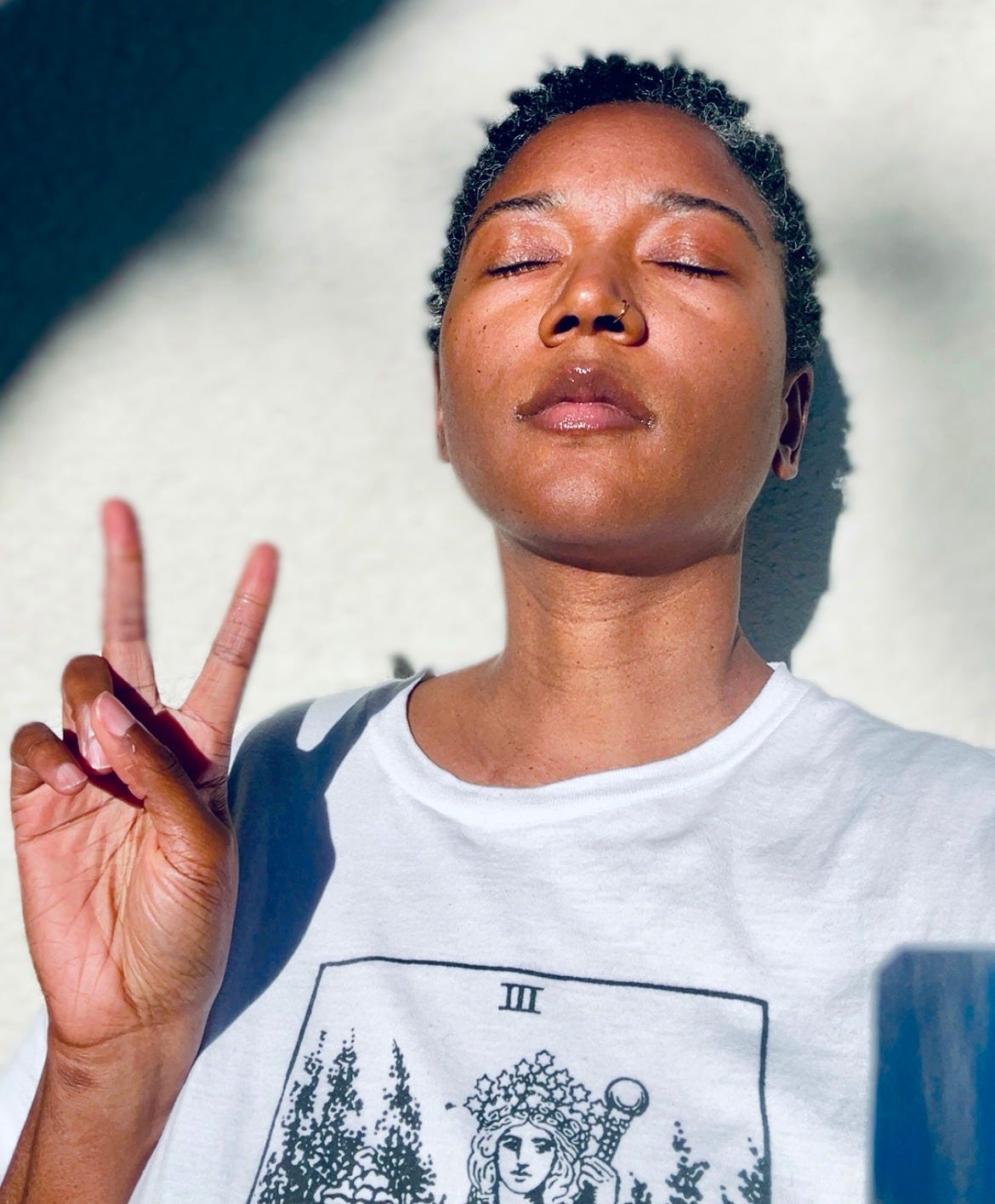
For those of us who work online, there is a layer to this pressure. As a business owner, it can feel like you have to stay visible or risk being forgotten. The internet rewards activity, and it’s easy to believe that if you stop promoting your work, everything will slow down or disappear.
That pressure can lead to an endless search for strategies. Checking YouTube for the latest growth advice. Scrolling Instagram, trying to understand what is working for other people. And, at some point, you stumble upon someone claiming they’ve cracked the code to growing an audience or generating income if you just follow their system.
Over time, it begins to feel like the answer must exist somewhere outside of you.
But there is a problem with trying to strategize from that energetic state.
When the nervous system is under constant pressure, it becomes difficult to think clearly. As soon as the body senses instability, the brain shifts into survival mode. Attention narrows, the mind becomes reactive, and decisions happen quickly, often to relieve discomfort.
This is one reason so many strategies fail during uncertain times. The strategy itself may not be wrong. The problem is the person’s mental and energetic state when trying to implement it.
When the nervous system is activated, everything feels urgent. Every headline seems important. Every opportunity looks like something that must be pursued immediately. In that state, it becomes difficult to step back and evaluate what actually makes sense.
I’ve seen this pattern in my life and in the lives of people around me. Running a small business online means I’m not immune to the pull of constant scanning, checking the news, checking social media, and searching for the next piece of information that might make things feel more certain.
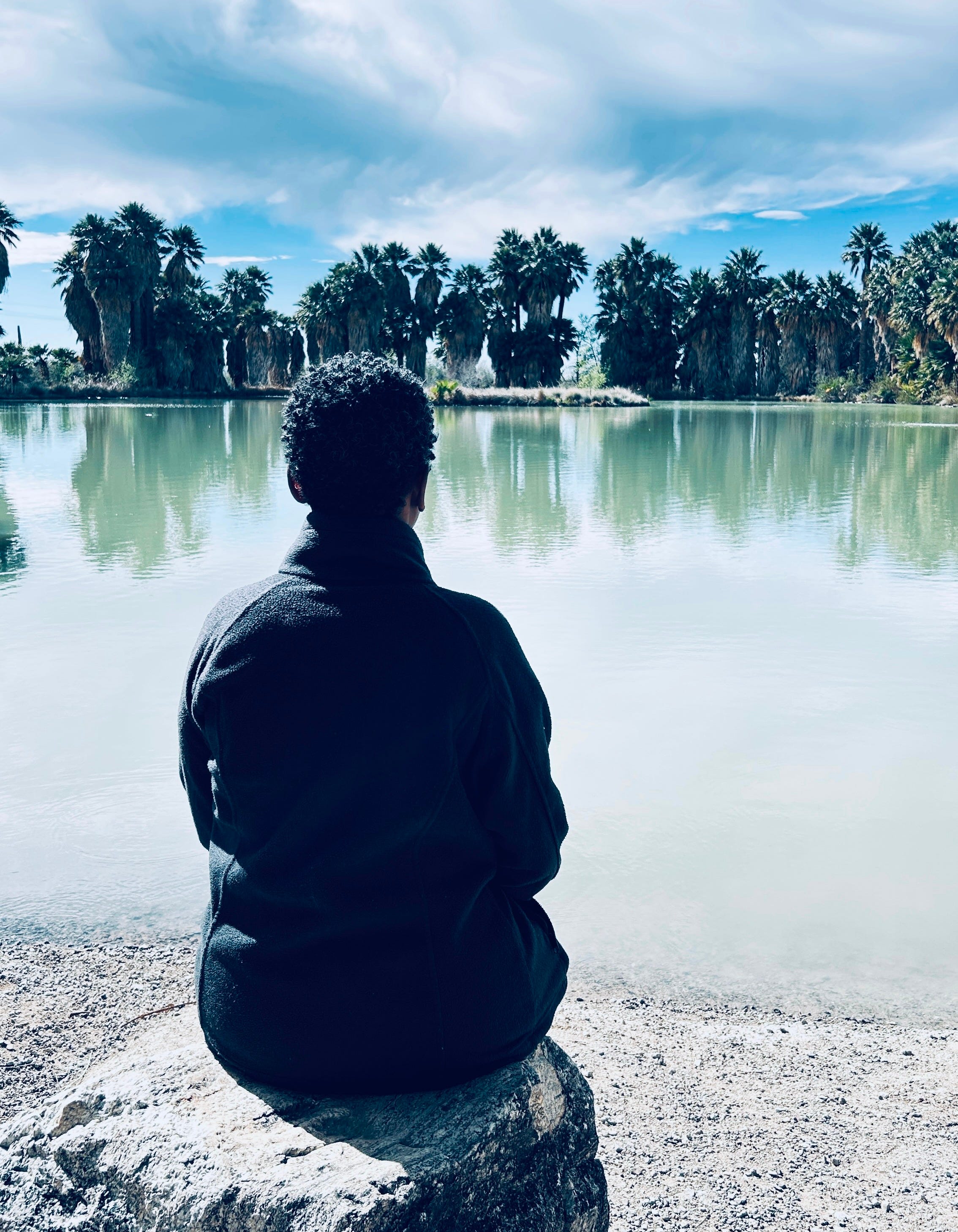
Lately, I’ve been noticing that pattern more clearly and recognizing how exhausting the cycle can become. Instead of staying caught in it, I’ve been choosing something different. Stability.
That kind of vigilance becomes tiresome. It also creates the illusion that reacting faster will bring clarity. In my experience, it rarely does.
There are also moments right now when promoting anything feels strange. The world feels heavy in many ways, and sometimes I catch myself wondering whether it makes sense to talk about my work at all.
But shutting down creativity isn’t the answer either.
Art, creativity, and meaningful work are not distractions from reality. They are part of what keeps people human during difficult times. The real challenge is learning to keep creating without being pulled into constant survival mode.
For me, that has meant returning to stability and grounding myself, pausing more often, stepping away from the constant stream of information, and allowing my nervous system to settle before deciding what deserves my attention.
In somatic psychology, there is a practice called orienting. When the nervous system feels activated, you pause and take a moment to notice your surroundings. You look around the room. You register the light, the sounds, and the physical space around you. The body receives signals that it is safe enough to slow down.
This shift can be subtle, but it matters. The nervous system begins to settle, and the mind becomes less reactive. Attention returns to the present moment.
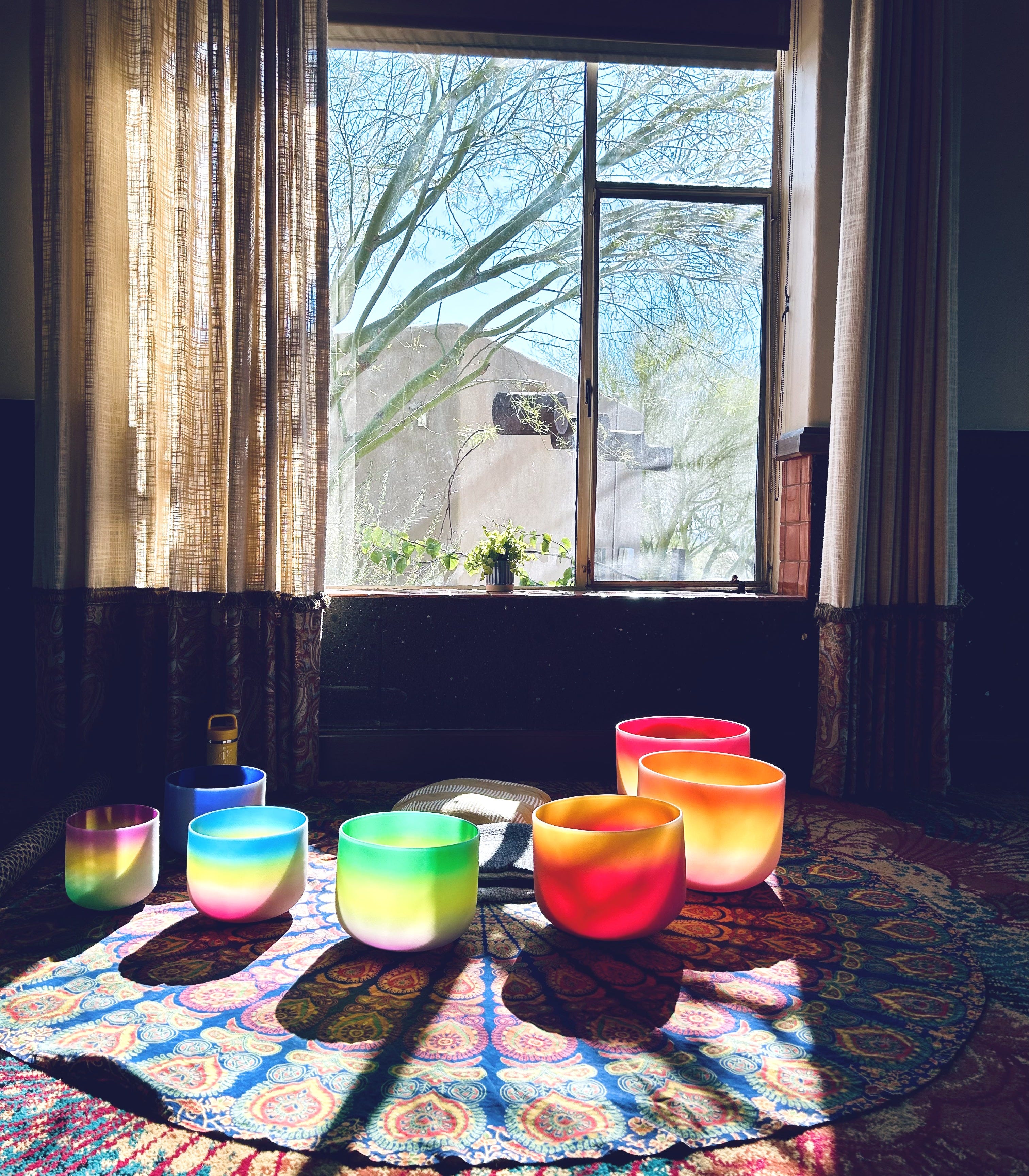
As someone who teaches meditation and works closely with the nervous system through sound and breath, I’ve seen how consistent this pattern is. Clarity rarely appears when people feel rushed or pressured. It tends to emerge once the body has stabilized enough for the mind to widen again.
This is why stability is a strategy.
Stability is not the opposite of strategy. It’s the condition that makes a good strategy possible.
Without stability, everything competes for your attention. Every trend feels important. Every tactic looks like something you must try. The result is constant aimless movement.
When the nervous system is steady, the picture changes. You can observe what is happening without being consumed by it. You can notice trends without chasing all of them. And you can continue creating from a grounded place rather than a reactive one.
Stability is restorative. It forces you to become a better steward of your attention and energetic capacity.
We often assume strategy is about speed, moving and adapting quickly while staying ahead. But many of the best decisions in life and business come from slowing down long enough to see clearly.
The world may feel uncertain, but it no longer has to be navigated from internal chaos. In a time that feels overstimulating, stability becomes a form of discipline and devotion: refusing to make decisions from constant activation.
Before deciding how to move through the world, learn how to stand steady within it.
Love this so much❤️
I loved this so much. Thank you for sharing.